
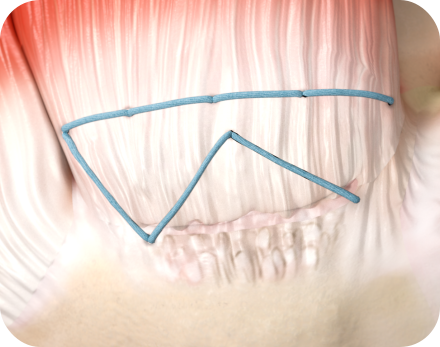

Rotator cuff repair hasn’t seen significant innovation in decades. Until now…

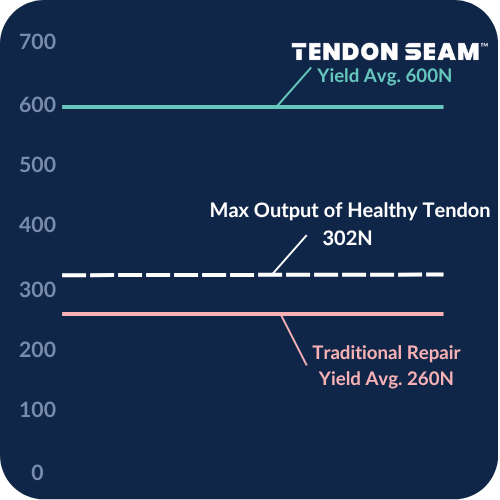
Withstands forces of a healthy supraspinatus and infraspinatus immediately after surgery, prior to healing.12
and

30% GAP FORMATION
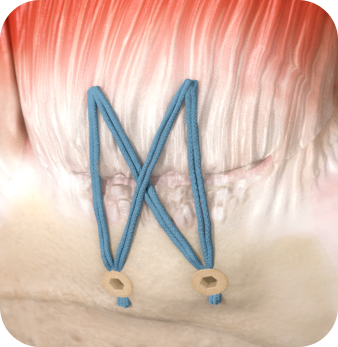
Traditional methods show 30% gap formation relative to the footprint.11
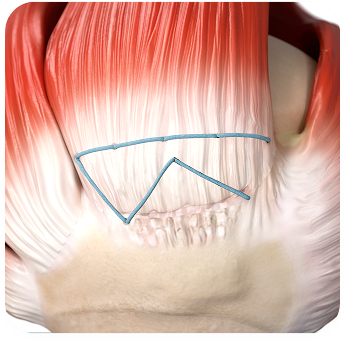
30% GAP FORMATION
Traditional methods show 30% gap formation relative to the footprint.11

3% GAP FORMATION
The Tendon SeamTM Technique experiences about 3% gap formation during the same loading conditions.12
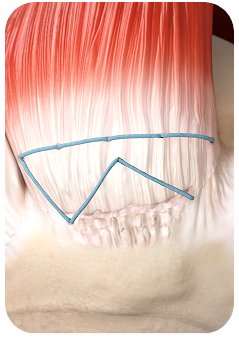
3% GAP FORMATION
The Tendon SeamTM Technique experiences about 3% gap formation during the same loading conditions.12
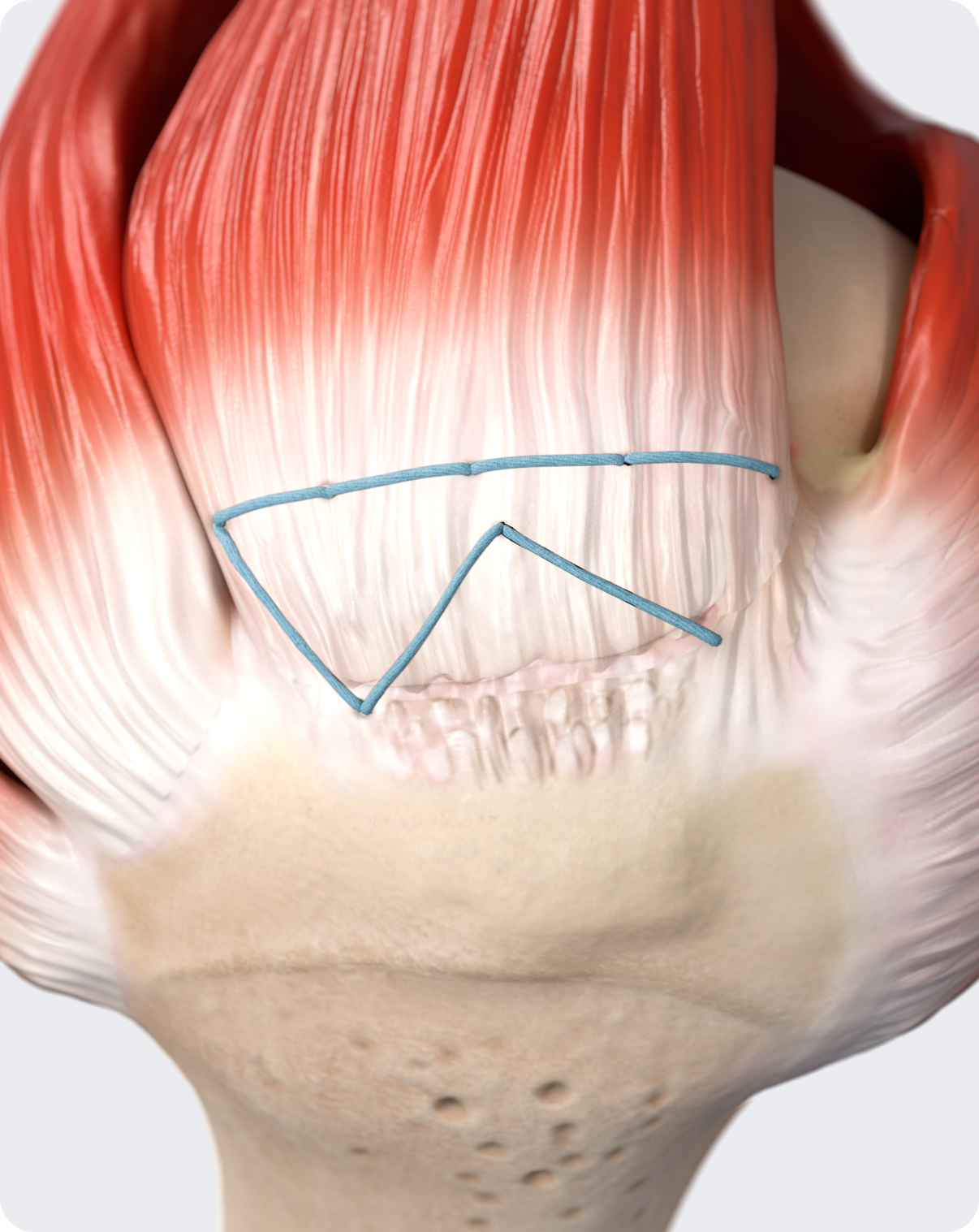
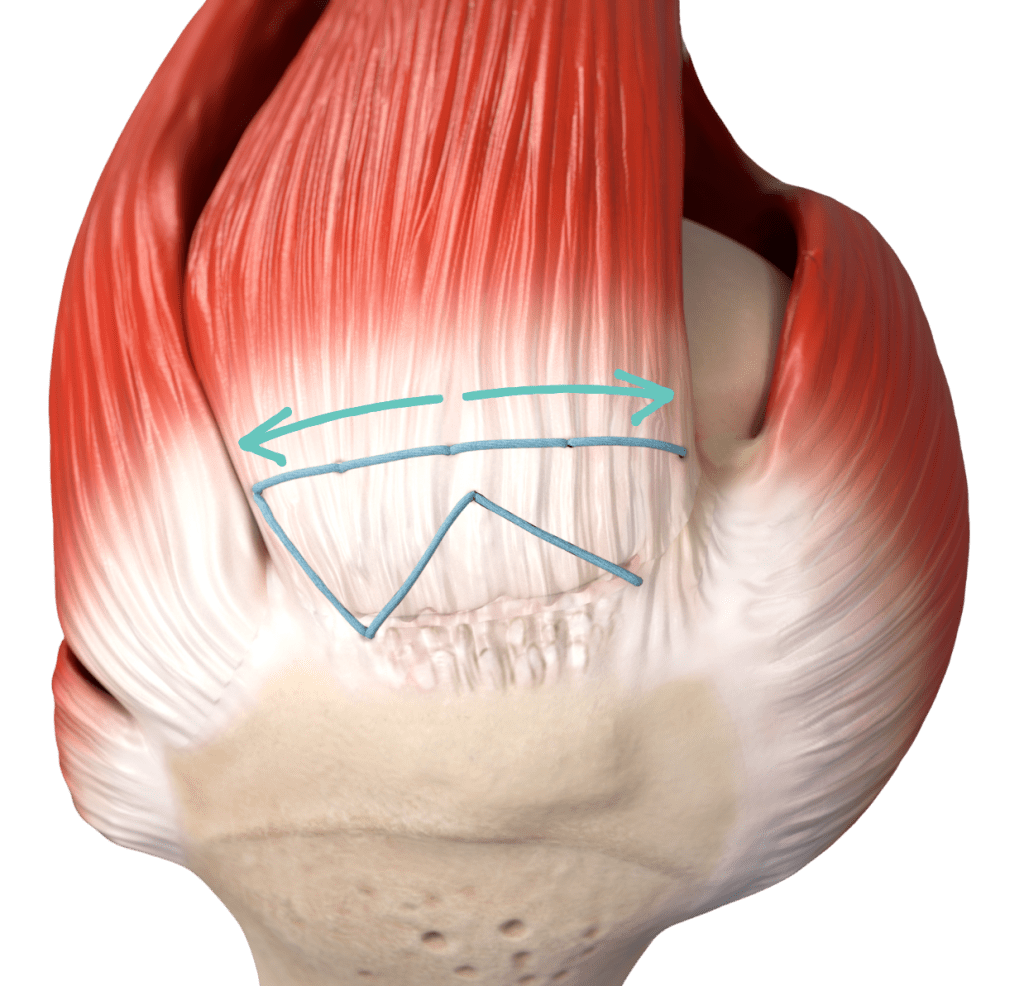
A repair that can withstand the forces generated by a healthy supraspinatus and infraspinatus at time zero. 13
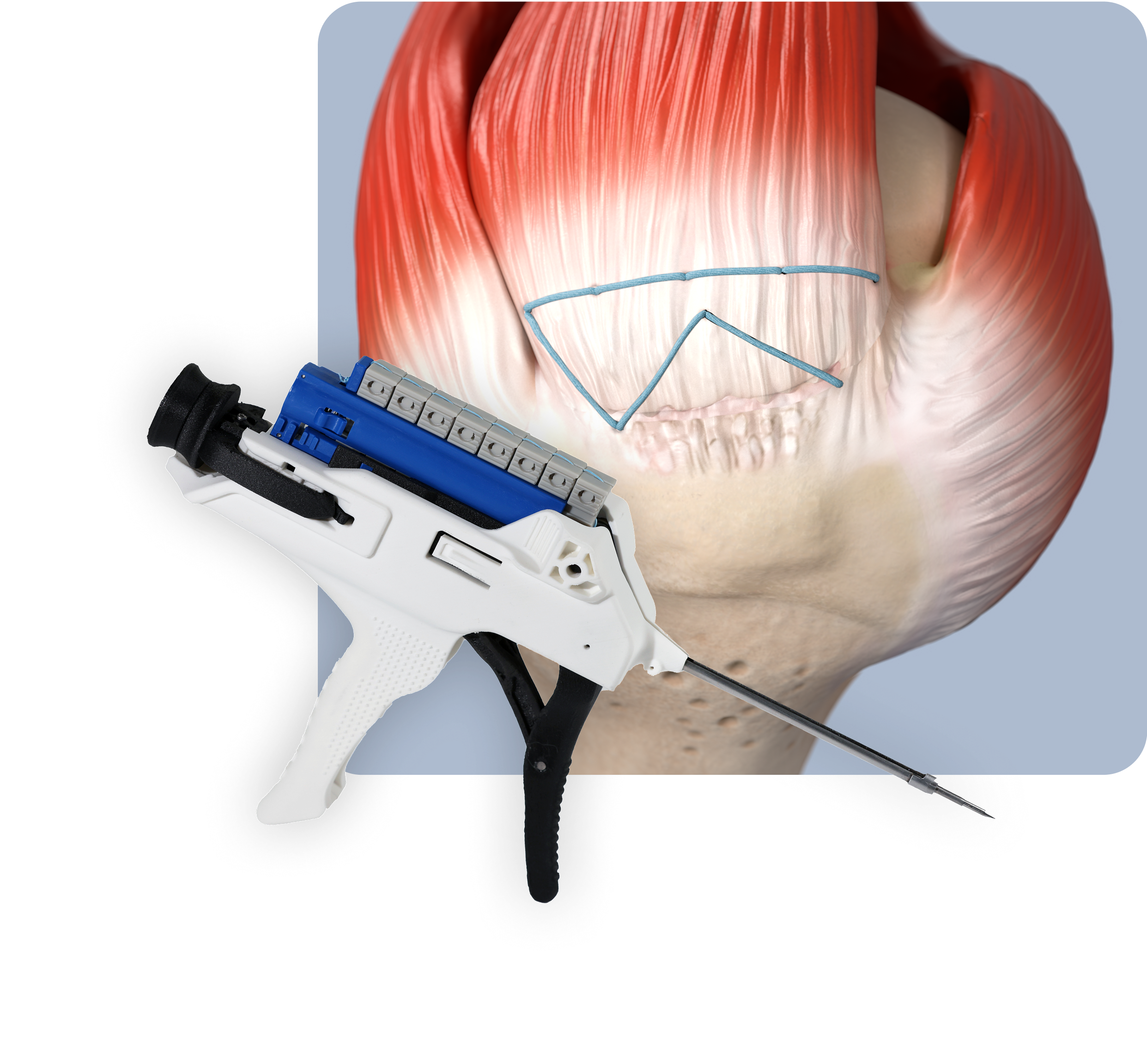
A scalable repair enables multiple stitches to span the entire tear regardless of its size.
Load sharing in multiple directions supports daily living demands.
A tension-free and anatomic repair mimics native rotator cuff
Each stitch minimizes gap formation to limit micromotion and target compression throughout the healing period.
A technique that promotes a biologically friendly environment that aids in long term healing of the tendon to bone.
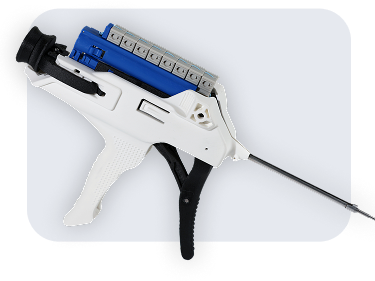
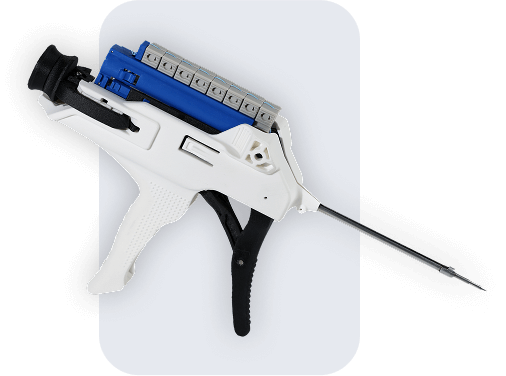
Watch a first-person view of Dr. Pat Connor creating a Seam with the Tendon Seam™
Patients that have received both a traditional repair and the Integrity Orthopaedics Repair share their experience.
– Mr. Peel
– Mr. PIZZUTTI
After rotator cuff repair surgery, wearing a sling is standard practice. The sling immobilizes the shoulder, protecting the newly repaired tendon as it begins to heal. Traditionally, patients have been advised to wear a sling for 4-6 weeks after surgery. However, recent advancements and research suggest that reducing sling time might offer benefits for some patients, helping to enhance recovery while minimizing discomfort.
Reducing the amount of time spent in a sling after surgery is based on the idea that early, controlled movement of the shoulder can:
For many patients, reducing sling time can have several positive impacts on the recovery experience:
While reduced sling time can offer significant benefits, it’s not suitable for everyone. The decision depends on several factors, including:
If surgeons recommend a reduced sling time approach, the recovery plan may look different than a traditional recovery. Here’s what can be expected:
After rotator cuff repair surgery, wearing a sling is standard practice. The sling immobilizes the shoulder, protecting the newly repaired tendon as it begins to heal. Traditionally, patients have been advised to wear a sling for 4-6 weeks after surgery. However, recent advancements and research suggest that reducing sling time might offer benefits for some patients, helping to enhance recovery while minimizing discomfort.
Reducing the amount of time spent in a sling after surgery is based on the idea that early, controlled movement of the shoulder can:
For many patients, reducing sling time can have several positive impacts on the recovery experience:
If surgeons recommend a reduced sling time approach, the recovery plan may look different than a traditional recovery. Here’s what can be expected:
While reduced sling time can offer significant benefits, it’s not suitable for everyone. The decision depends on several factors, including:
Integrity Orthopaedics is pleased to announce that it is now part of Smith+Nephew, the global medical technology company and a leader in sports medicine and regenerative technology.
For more information please read the Smith+Nephew press release here:
For more information, the Smith and Nephew Privacy Notice can be viewed here.